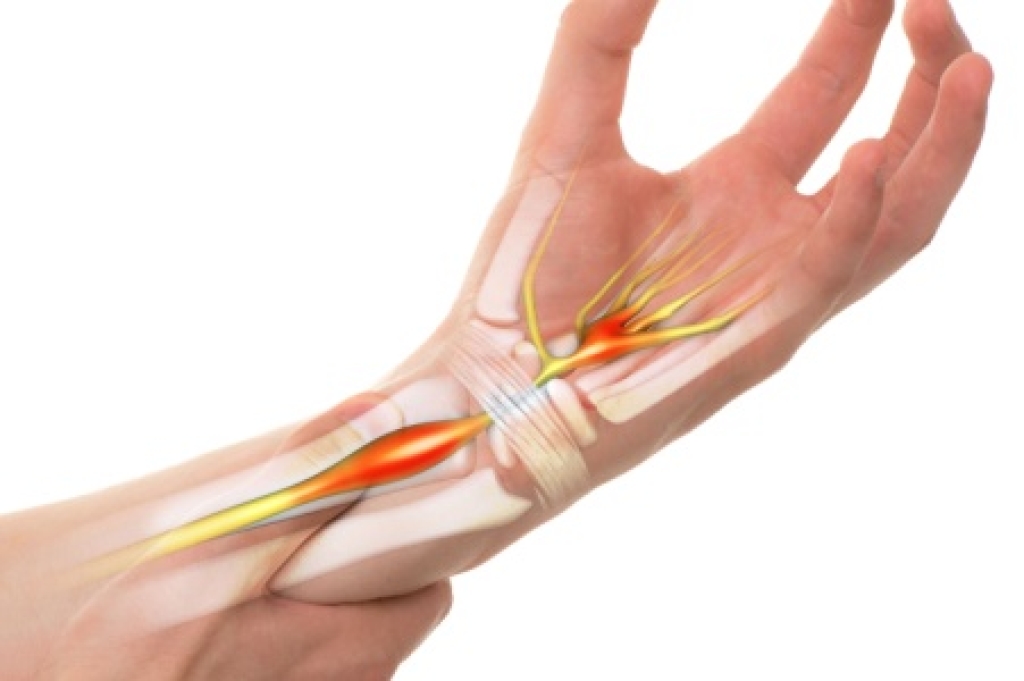
Carpal tunnel syndrome develops when the median nerve becomes compressed as it passes through a narrow passageway in the wrist called the carpal tunnel. This nerve controls sensation in parts of the hand and supports movement in certain thumb muscles. The tunnel also contains tendons that allow the fingers to bend. When surrounding tissues become swollen, pressure may increase within the passageway and irritate the median nerve. Several factors may contribute to carpal tunnel syndrome, including wrist injuries, joint inflammation, and fluid retention. Repeated hand movements or prolonged wrist positions may also aggravate symptoms. Although carpal tunnel syndrome primarily affects the wrist and hand, discomfort sometimes extends into the forearm. Understanding how nerve compression develops helps explain why this problem may interfere with everyday activities.
Carpal tunnel syndrome symptoms often begin gradually and become more noticeable over time. Tingling or numbness commonly affects the thumb, index finger, and middle finger. Some individuals also experience symptoms along part of the ring finger, while the little finger usually remains unaffected. These sensations may feel like pins and needles or an electric shock traveling through the hand. Symptoms frequently become more noticeable at night, sometimes interrupting sleep. As nerve compression continues, individuals may experience weakness when gripping objects or performing tasks requiring precise finger movements. Activities involving prolonged wrist bending may increase discomfort. Some people frequently drop objects because of reduced hand strength or altered sensation. Persistent symptoms may make typing, holding objects, or completing routine activities more difficult. Recognizing these changes is important because prolonged nerve compression may lead to lasting weakness or reduced sensation.
Chiropractic care focuses on evaluating joint movement, muscle function, and possible sources of nerve irritation contributing to wrist and hand discomfort. A chiropractor examines the wrist, forearm, and surrounding structures to identify movement restrictions or physical strain. The neck may also be assessed because certain nerve problems in the cervical spine produce symptoms resembling carpal tunnel syndrome. Depending on the findings, chiropractic care may include gentle joint mobilization and guided exercises intended to support wrist mobility and function. Treatment approaches are tailored to the individual's symptoms and severity of nerve compression. Chiropractic care may help address certain sources of musculoskeletal discomfort, although it does not guarantee relief from median nerve compression. If you are experiencing persistent wrist pain, hand numbness, or tingling associated with carpal tunnel syndrome, it is suggested that you consult a chiropractor for an evaluation and appropriate treatment options.
Carpal Tunnel Syndrome
Carpal tunnel syndrome, or CTS, is a condition caused by compression of the median nerve, which runs through the carpal tunnel in the wrist. This tunnel is a narrow passageway surrounded by bones and ligaments, and when it becomes compressed or inflamed, it can put pressure on the nerve. Symptoms of CTS include tingling, numbness, weakness, and pain in the hand and fingers, often making simple tasks difficult and uncomfortable.
Chiropractic care offers a non-invasive approach to managing CTS by addressing alignment and reducing nerve pressure. Chiropractors start by evaluating the wrist, elbow, and even the cervical spine or neck, as misalignments in these areas can contribute to nerve compression in the wrist. Through gentle adjustments, chiropractors can improve the alignment of the wrist and spine, helping to reduce the pressure on the median nerve.
In addition to adjustments, chiropractors may use soft tissue therapy, such as stretching and myofascial release, to reduce inflammation surrounding the wrist and enhance mobility.
Why Consider Chiropractic for CTS?
Chiropractic care can provide lasting relief by targeting the root causes of CTS, reducing pain, and promoting long-term hand and wrist health.
Can Chiropractic Care Address Repetitive Strain as a Cause of CTS?
Chiropractic care can help manage repetitive strain by improving joint alignment and recommending ergonomic adjustments.
If you have any questions, please feel free to contact our office located in Crawfordville, FL .
