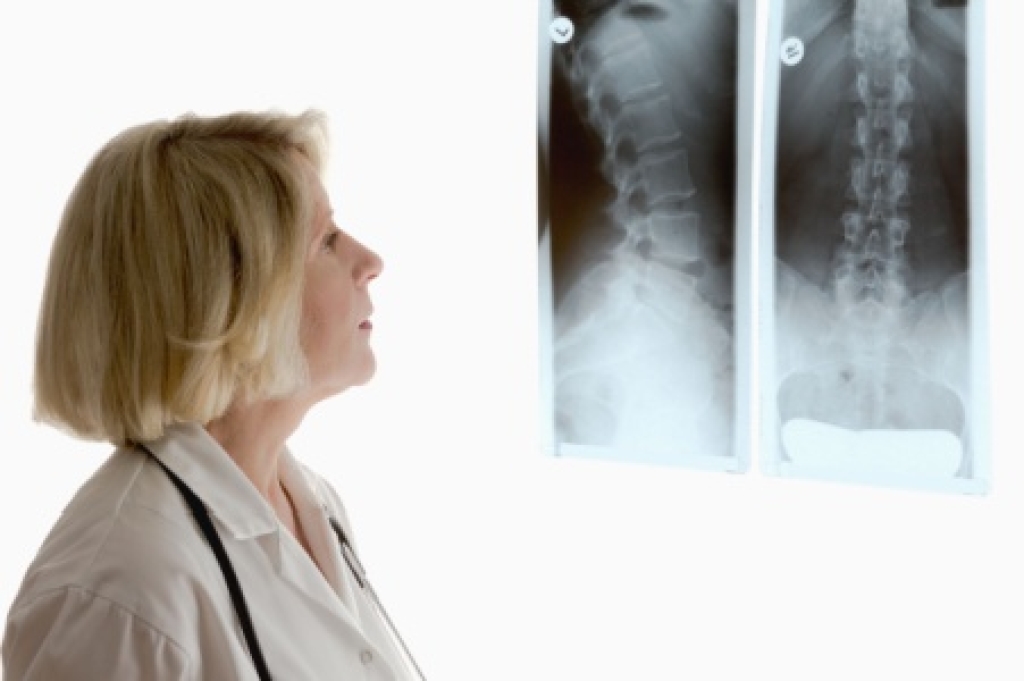
Bulging and herniated discs can cause back or neck pain that affects movement and daily activities. Spinal discs sit between the bones of the spine and help absorb shock while keeping the spine flexible. Each disc has a firm outer layer and a softer, gel-like center. A bulging disc occurs when the disc pushes outward but remains intact. A herniated disc occurs when the outer layer partially or completely breaks open, allowing material from the center to move beyond the disc. Although people sometimes use the term slipped disc, the disc does not actually slip out of place.
Aging, repeated stress, and injuries can contribute to disc changes. As a disc breaks down, it can change shape and place pressure on nearby nerves. A bulging or herniated disc can cause pain that travels into an arm or leg. Other symptoms include numbness, tingling, and muscle weakness. A herniated disc can also release material that irritates nearby nerves and causes inflammation. Symptoms depend on the disc’s location and how much pressure or irritation affects the surrounding nerves. Some movements can make the pain more noticeable.
A chiropractor can evaluate spinal movement and determine how a disc problem could be affecting nearby joints and nerves. Chiropractic care can focus on improving movement, reducing stress on the spine, and supporting better function. Treatment is based on the location of the affected disc and the patient’s symptoms. A chiropractor can use gentle techniques to address areas of restricted movement without placing unnecessary force on painful tissues. Care can also address posture and movement patterns that increase stress on the spine. If you have symptoms of bulging or herniated discs, it is suggested that you schedule an appointment with a chiropractor for effective relief and management solutions.
Bulging and herniated discs are common spinal conditions that can lead to persistent pain, discomfort, and limited mobility. A disc bulge occurs when the outer layer of the spinal disc begins to protrude, while a herniated disc involves a rupture that allows the inner gel-like core to seep out. Both conditions often compress nearby nerves, resulting in pain, tingling, numbness, and muscle weakness that can affect the back, legs, and even arms.
From a chiropractic perspective, addressing disc bulges and herniations focuses on reducing pressure on the spinal nerves and restoring proper spinal alignment. Chiropractors employ gentle, targeted adjustments designed to alleviate nerve compression and improve spinal mechanics. By correcting misalignments, chiropractic care can help reduce inflammation, enhance blood flow, and promote natural healing processes. This holistic approach aims to relieve pain without invasive procedures or medication.
For many patients, complementary therapies like spinal decompression, therapeutic exercises, and lifestyle guidance support long-term relief and function. Chiropractic care offers a non-surgical, drug-free path to managing disc issues, focusing on enhancing overall spinal health and reducing the likelihood of recurring symptoms. Each treatment plan is tailored to the patient’s specific needs and goals, ensuring an effective, individualized approach.
1. Is chiropractic treatment safe for herniated discs?
Generally, chiropractic care is safe for herniated discs when performed by a licensed professional who assesses the condition carefully. Mild adjustments or specific techniques are often used to avoid further injury.
2. How long does it take to see improvement?
Improvement times vary, but many patients notice reduced pain and better mobility within a few weeks of consistent chiropractic care, depending on the disc’s severity and other factors.
If you have any questions please feel free to contact our office located in Perry, FL .